In manufacturing facilities, ventilation is not just about comfort — it’s a critical safety requirement. Poor airflow can lead to hazardous work environments, exposing workers to heat stress, chemical fumes, dust, humidity-related machinery damage, and even fire risks. Ensuring compliant and efficient ventilation protects both your workforce and your production efficiency.
This checklist has been designed specifically for manufacturing industries to help plant managers and safety heads assess whether their industrial ventilation and airflow systems meet essential standards.
1. Air Quality Compliance
A safe factory ensures fresh, clean air at all times.
- Proper exhaust points for fumes, chemicals, and smoke
- Adequate fresh air intake and natural air movement
- Regular air quality monitoring (dust, CO, VOCs)
- No stagnant air pockets or overheated zones
- Especially crucial for welding, textile, pharmaceutical, and food facilities
2. Temperature & Heat Control
Heat buildup directly affects worker performance and machine life.
- Temperature within recommended safety range
- Heat sources have direct exhaust and air exit points
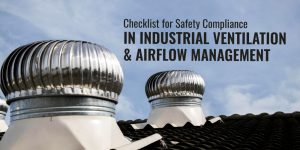
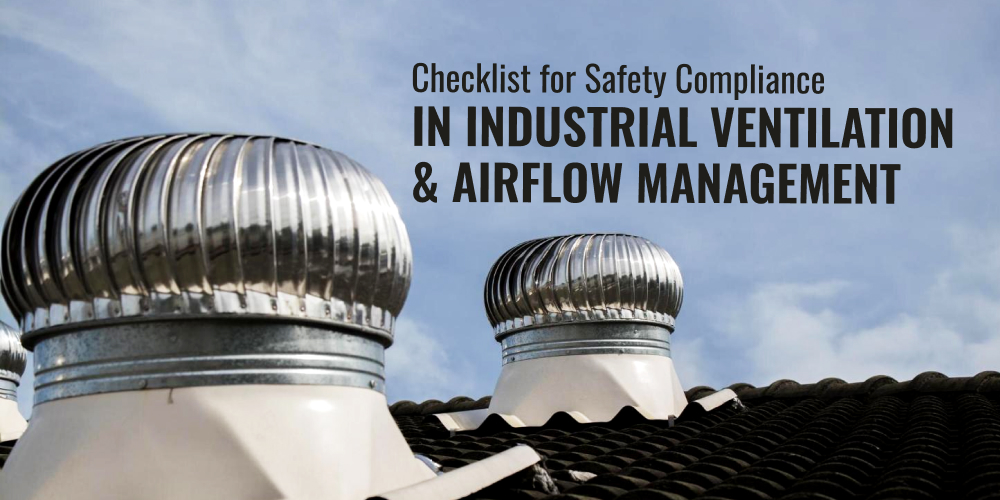
- Roof ventilation to release trapped hot air
- Zero heat accumulation under roofing sheets
- Proper insulation and reflective roof treatments
- Helps reduce energy usage by lowering cooling loads
3. Humidity & Moisture Management
Uncontrolled humidity = corrosion, mold, product contamination.
- Humidity sensors installed in critical zones
- Airflow prevents condensation on machinery/roofs
- Proper ventilation in storage and packaging areas
- Moisture-resistant ducting and exhaust design
- Important for electronics, paper, and food processing units
4. Chemical and Fume Control
Worker health and air compliance demand effective extraction.
- Exhaust systems installed at emission points
- Hazardous fumes diverted away from work areas
- Localized extraction for paint booths, chemical tanks & soldering zones
- Filter replacement schedule documented
- Reduces long-term exposure to harmful pollutants
5. Fire & Smoke Safety Measures
A ventilation failure during a fire can be catastrophic.
- Smoke vents or natural ventilators for emergency exhaust
- Fire-rated ventilation components where required
- Automatic shutdown of air handling during fire alarms
- Clear airflow paths — no blocked outlets
- Essential for safe evacuation and fire suppression success
6. Regular Maintenance & Inspections
Compliance = continuous monitoring.
- Routine inspection of vents, fans, louvers, ducts
- Debris removal and cleaning schedule
- Bearings, blades & turbines checked for performance
- Documentation of all safety & maintenance actions
- Prevents breakdowns and ensures legal compliance
7. Worker Comfort & Safety Standards
Comfort isn’t a luxury — it’s a compliance requirement.
- Proper air velocity — no harsh drafts
- Ventilation supports extended physical activity
- Design considers workforce density changes
- Better comfort = fewer sick days, higher productivity
8. Compliance Documentation
Every industrial facility should maintain:
- Ventilation layout drawings & airflow plans
- Safety audits and testing records
- Emergency ventilation response procedures
- Vendor service contracts and certifications
Why Safety-Compliant Ventilation Matters
Benefit | Impact |
Regulatory compliance | Avoid penalties & shutdowns |
Worker safety | Reduces injuries & health risks |
Productivity | Less fatigue, fewer errors |
Equipment protection | Longer lifespan, fewer breakdowns |
Energy savings | Lower cooling costs & better efficiency |
Partner With Experts in Industrial Ventilation
At Rise EcoVent, we design and deliver high-performance industrial ventilation systems tailored to manufacturing environments. From natural roof ventilators to sustainable airflow solutions, we ensure your facility meets both safety standards and operational goals.
Book a Free Ventilation Safety Audit
Let us evaluate your airflow compliance and recommend improvements that boost productivity and worker well-being.